The digital landscape for real estate is shifting. If you’ve noticed your traffic changing, you aren’t alone—it’s the evolution from traditional SEO to “Search Everywhere Optimization.” As consumers increasingly turn to AI platforms to ask specific questions, you need an up-to-date website to stay visible.
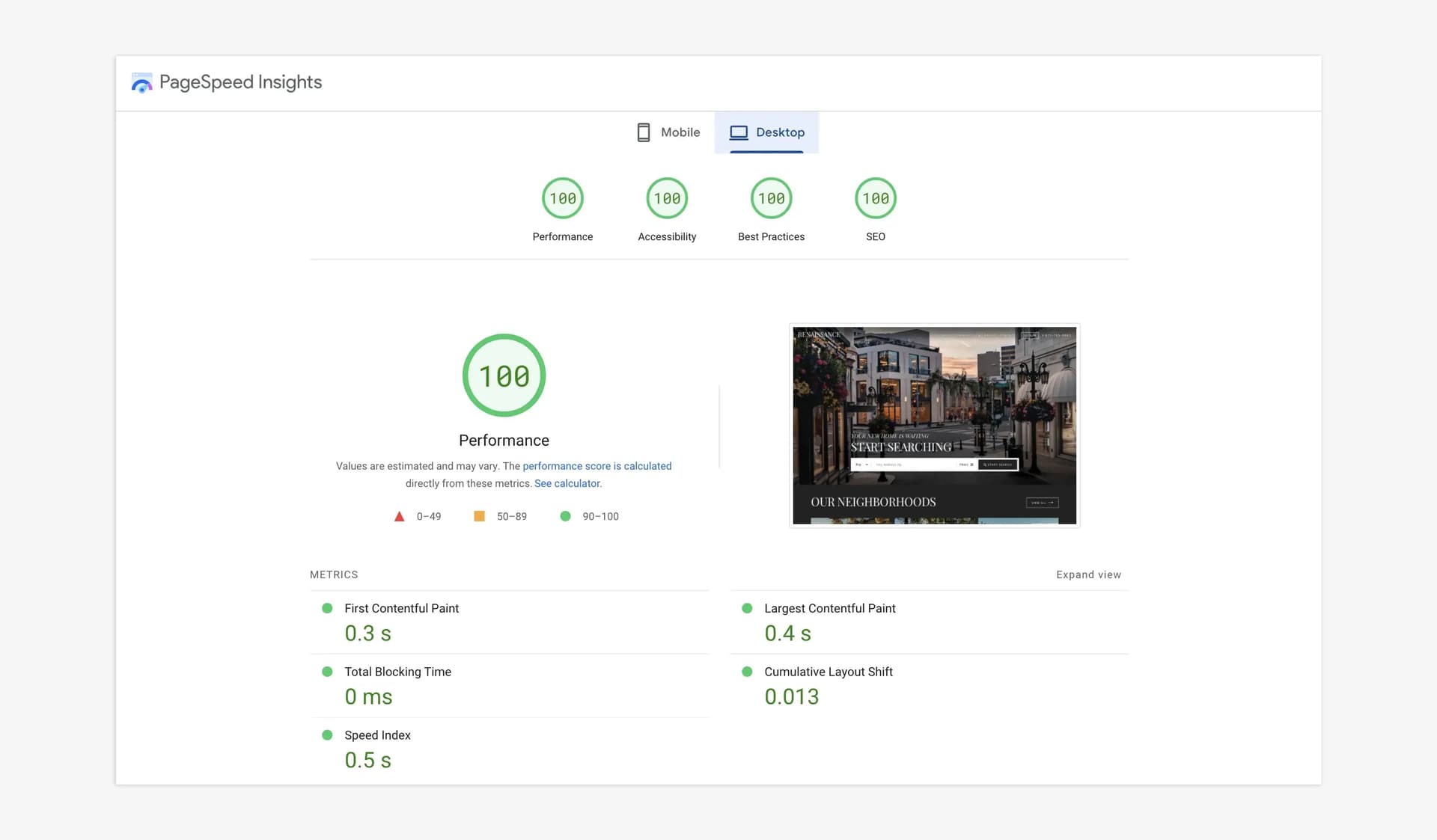
Success today relies on two main considerations: strong technical scores and great content posted on a variety of different platforms. An SEO Audit can help identify your site’s strengths and weaknesses, and provide you with a game plan for improvement.
We want to help you make the transition to this AI-forward landscape as smooth as possible. How has your website embraced the evolution of how we search and what changes have you made? Read more about SEO, our promo deal, and how we can handle the heavy lifting of your SEO strategy in our latest blog post.
I understand Real Estate Webmasters uses a proprietary enterprise platform, custom PHP/JavaScript frameworks, and a CMS/CRM architecture rather than a simple static HTML code snippet.
During a recent Semrush Audit I had an issue of Low text to HTML ratio on 74 pages.
Your text to HTML ratio indicates the amount of actual text you have on your webpage compared to the amount of code. This issue is triggered when your text to HTML is 10% or less.
Search engines have begun focusing on pages that contain more content. That’s why a higher text to HTML ratio means your page has a better chance of getting a good position in search results.
Less code increases your page’s load speed and also helps your rankings. It also helps search engine robots crawl your website faster.
A typical Real Estate Webmaster page on my site has approximately 60 pages of html, however, to my 6 pages of content it shows as .03% low text to html.
Is there a way to split the html code into separate files or optimizing its structure?